


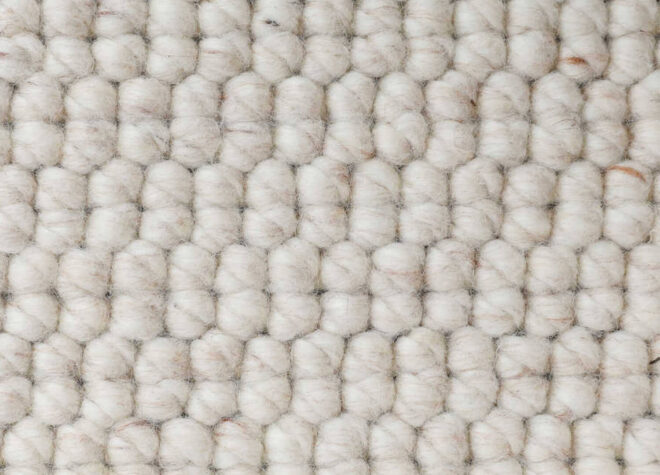
Ask around any Grand Strand neighborhood and you will hear the same confident folklore: “You can’t have carpet at the beach.” It gets repeated at cookouts, by well-meaning relatives, sometimes by people actively standing on twenty-year-old carpet at the time. And like most folklore, it is a half-truth wearing a whole-truth costume. Carpet near the coast has real enemies — sand that works like grit in a gearbox, humidity that never fully clocks out, and the sheer foot traffic of a region built on hosting people. But “you can’t have carpet” is not the lesson. The lesson is that the coast picks which carpet, which rooms, and which habits — and homes that respect those picks enjoy soft floors for decades.
Waccamaw Floor Covering has been matching floors to this exact climate since 1986, from our showroom in Conway, and carpet has never once stopped being part of the right answer for the right rooms — bedrooms here still want their soft mornings, and second-floor living rooms still want their quiet. This guide is the full showroom conversation, written down: where sand actually goes when it enters carpet pile, which fibers laugh at coastal humidity and which ones sulk, which rooms earn an honest yes, and which maintenance habits actually move the needle versus merely feel virtuous. Browse the carpet catalog as you go — and keep your folklore detector on.
Where the Sand Actually Goes: The Vacuum Pass Test
Sand’s trick is vertical. It does not lie on top of carpet waiting for the vacuum; it migrates down the pile like a sunflower seed working through a shag of grass, and once it reaches the base it grinds against fiber roots with every footstep. The deeper the pile, the longer the journey — in both directions. Try evacuating the same beach-day’s sand from two different piles:
Twelve grains of beach are in the pile. Choose your carpet, then start vacuuming.
Fiber Chemistry vs. Coastal Reality: The Condition Matrix
The second decision is what the fiber itself is made of, because coastal life stress-tests chemistry. Light one condition at a time below and read across the three workhorse synthetic fibers in our racks:
The fiber-by-fiber fundamentals live in our carpet overview — the matrix above is the coastal annotation layer.
Room by Room: The Verdict Stamps
Folklore says “no carpet at the beach.” Forty years of local installs say: it depends which room. Click each room and get the stamp our experience would put on its file:
Bedrooms
Bare feet, mornings, quiet. The room carpet was invented for.
Upstairs living & bonus rooms
Second-floor dens, lofts, media rooms — where footsteps echo below.
Main-floor living near the door
The sand superhighway — beach bags, sandy feet, wet dogs, all of it.
Entries, baths & laundry
Where water and grit arrive first and linger longest.
The “with conditions” file reads: low dense pile, resilient fiber, a serious walk-off mat strategy at the doors, and honest vacuuming habits. The “hard floor zone” file points next door — to waterproof luxury vinyl and porcelain tile — with carpet resuming where the sand thins out. Mixed-floor homes are normal here; the seams between materials are standard scope for our installers, transition strips and all.
The Pad, the Stretch, and the Long Game
Two installation realities decide how a coastal carpet ages, and neither shows in a product photo. The first is the cushion underneath: pad quality drives how carpet feels, how it wears, and how it survives the occasional damp event — a conversation our team has per-room, not per-brochure, because a beach-adjacent family room and a guest bedroom do not want the same pad. The second is tension. Wall-to-wall carpet is installed under stretch, and years of traffic, furniture moves, and humid summers can eventually relax it into ripples. That is not a replacement sentence: carpet stretching and repair is a named service at Waccamaw Floor Covering — re-tensioning brings a wavy carpet back to flat, and repair work can rescue a damaged spot. The broader point is bigger than carpet: floors here live best with a local installer who plans the install for the climate and answers the phone years later. Warranty and follow-up services are on our menu for exactly that reason.
Habits That Beat the Beach
The maintenance manual for coastal carpet is short and almost free. Mat the doors — a coarse scraper mat outside and a deeper walk-off mat inside intercept most sand before the pile ever meets it. Make the beach bag’s first stop the laundry room, not the bedroom. Vacuum the traffic lanes more often than feels necessary (the Pass Counter above showed why — the deep grains are the patient ones), and vacuum slowly; speed skims. Blot spills promptly, and once in a while give high-traffic carpet a professional-grade deep clean to evacuate what household vacuums cannot. And when furniture rearranges or a wave appears at a doorway, call for a stretch rather than living with it — flat carpet wears evenly; rippled carpet wears at the crests. None of this is burdensome; all of it is the difference between carpet that survives the coast and carpet that stars in the folklore.
The Allergy Question, Answered for the Beach
Coastal households ask the allergy question constantly, and the modern answer surprises people who formed their opinions decades ago. Carpet’s relationship with airborne particles is essentially custodial: the pile holds what lands on it — dust, pollen, the fine sand-borne particulate of beach life — until a vacuum collects it, rather than letting every footstep and ceiling fan relaunch it the way hard surfaces can. The deciding variable is not the carpet; it is the vacuum schedule and the machine’s filtration. A regularly vacuumed bedroom carpet with good filtration is a reasonable choice for most allergy-conscious households, while a neglected one is exactly the reservoir its reputation suggests. Pair that honesty with the coastal zoning this article preaches — soft floors in low-grit retreat rooms, hard surfaces on the sandy corridor — and most families find a comfortable equilibrium. For households with serious sensitivities, our staff will happily talk through both sides of the aisle without agenda; we sell the hard surfaces too, and the right answer is the one your mornings actually live well with.
From Rack to Installed: What the Project Actually Involves
Carpet is among the fastest transformations in flooring, and knowing the sequence makes it painless. After the consultation’s measurements and the estimate (as soon as the next business day, some exclusions apply), materials arrive through our own delivery service. Install day moves room by room: old carpet and pad out, subfloor inspected while it is bare — the squeak-fix and repair window smart homeowners use — new pad down, carpet in, power-stretched to proper tension, seamed where rooms demand it, and trimmed to clean transitions at every doorway. Most homes are walking on their new floors the same day, with furniture back by evening. The details that separate a tailored job from a tolerable one — seam placement out of sight lines, pattern matching, pile direction kept consistent, transitions that meet hard floors at the right height — are exactly the craft items four decades of local installs have made reflexive. And the relationship continues past install day: stretching, repair, and maintenance consultations stay a phone call away, which is the practical meaning of buying from a forty-year neighbor instead of a website.
Buying Carpet the Conway Way
Here is the path that works, refined over four decades. Start in the catalog or the showroom at 1717 4th Avenue — the largest selection in the area, by our own proud accounting — and shortlist with the coastal filters from this guide: pile low and dense for busy floors, fiber matched to the room’s job, color in the sandy-forgiveness range (more on that: mid-tones flecked with texture hide a missed vacuuming day far better than solid pale plush). Order free shipped samples and audition them at home in your actual light. Check the in-stock specials — special pricing on materials that are already here, which also means fast installs. Then book the free in-home consultation: measurements, pad recommendations, transition planning, and an estimate as soon as the next business day (some exclusions apply). Cash and carry is available if you are a do-it-yourselfer; professional installation by our crews if you are not; financing if the timing wants flexibility. Delivery of materials is on the services list too.
The Camouflage Wardrobe: Color and Texture for Sandy Country
Between cleanings, every coastal carpet hosts a little contraband — a sprinkle of sand, a thread of dried sea grass, the confetti of daily life. Whether guests ever notice is a decision you make at the showroom, in the color aisle. Sand is a mid-tone, so the carpets that betray it live at the extremes: deep espresso plush displays every pale grain like a jeweler’s velvet, and pale cream shows every shadowed speck. The forgiving middle — greige, sandy taupe, warm gray, oatmeal — absorbs the evidence between vacuumings. Texture multiplies the effect: flecked and multi-tonal yarns, subtle patterns, and textured constructions like frieze scatter the eye so thoroughly that a missed Tuesday simply disappears. The practical showroom translation: hold sample boards horizontally, in your home’s own light, and sprinkle a pinch of actual sand on the finalists. It sounds eccentric; it is the single most predictive product test a Grand Strand carpet buyer can run, and the free shipped samples exist to make it easy.
Stairs: Carpet’s Quiet Stronghold
Whatever happens on the main floors, stairs remain carpet country in most coastal two-stories — for reasons that compound. Traction: carpeted treads grip socked feet and sandy soles alike, on the one architectural feature where slips have consequences. Acoustics: a carpeted staircase silences the thunder of kids and dogs commuting between floors. And wear honesty: stairs concentrate footsteps onto a few inches of nosing, which is exactly where carpet’s resilience — especially nylon’s — out-ages hard alternatives that would show wear paths. Spec stairs a notch more durable than the rooms they connect, in the same forgiving textured mid-tones, and they will quietly outlast everything around them. Our installers handle the craft details — tight wraps, secure tack, pattern alignment — that separate tailored stairs from upholstered ones.
The Guest-Season Multiplier
Here is the variable national carpet guides never model: Grand Strand homes do not host like inland homes. Summer brings the relatives, the friends-of-relatives, the long weekends that turn a three-bedroom into a hostel — and every guest is a courier of sand who never read your house rules. If your home runs high-occupancy in season, tilt every recommendation in this article one notch tougher: the bedroom that would take polyester for two residents earns nylon for rotating guests; the low-pile suggestion becomes a low-pile rule; the door-mat strategy doubles; and the vacuum schedule learns the word “daily” for July. Conversely, a quiet year-round couple’s home can indulge the plusher end of the racks with confidence. Carpet does not fail at the coast because the coast is harsh; it fails when the spec was written for a different household than the one that showed up. Our staff’s first questions at the showroom are about occupancy and habits for exactly this reason — four decades here have taught us to size the carpet to the summer, not the brochure.
What Four Decades of Coastal Carpet Has Taught Us
Patterns repeat when you have been re-flooring the same houses since 1986, and three lessons survive every product generation. First: the pile beats the fiber, and the habits beat them both. A modest carpet with mats, shoes-off culture, and a real vacuum routine outlives a premium carpet installed over wishful thinking. Second: carpet failure is almost always assignment failure. The horror stories trace to soft floors stationed in sandy corridors — a zoning error, not a material flaw — which is why the verdict stamps above are the most valuable tool in this article. Third: installation quality is invisible until it is everything. Proper stretch, the right pad, clean seams, and planned transitions decide year eight, and they are precisely the craft items a local installer stakes a reputation on — ours has been parked at 1717 4th Avenue for forty years, which keeps the incentives honest. Buy the carpet your real household needs, have it installed by people who will still be here, and the coast becomes just another place carpet works.
Plan It: The Broadloom & Seam Estimator
Carpet is sold from rolls — most commonly 12 feet wide — which means your room’s dimensions decide not just the square footage but whether your installation needs a seam, and seams are worth knowing about before the quote. Run your room:
Coastal Carpet Questions, Answered Honestly
Will humidity make my carpet smell or feel damp?
What is the single best carpet spec for a sandy household?
Can you fix the ripple in my hallway carpet, or does it need replacing?
Is carpet wrong for a home we share with lots of summer guests?
How often should coastal carpet be replaced?
Where do I start?
Soft Floors, Sandy Zip Code — Both Are Possible
The coast does not forbid carpet; it just refuses to let you buy it carelessly. Pick the pile that gives sand nowhere to hide, the fiber that matches the room’s actual workload, the rooms where softness earns its keep, and the habits that intercept the beach at the door — and carpet becomes what it has always been in Grand Strand bedrooms: the reason mornings start gently. The folklore can keep its gritty hallway stories; your bedrooms can keep their soft mornings. Read our reviews, walk the racks at 1717 4th Avenue, sprinkle some actual sand on a sample board if you like — we will understand completely — and let four decades of coastal carpet judgment go to work for your house.
Carpet that respects the coast — chosen with forty years of local judgment.
Request Your Free Estimate


