


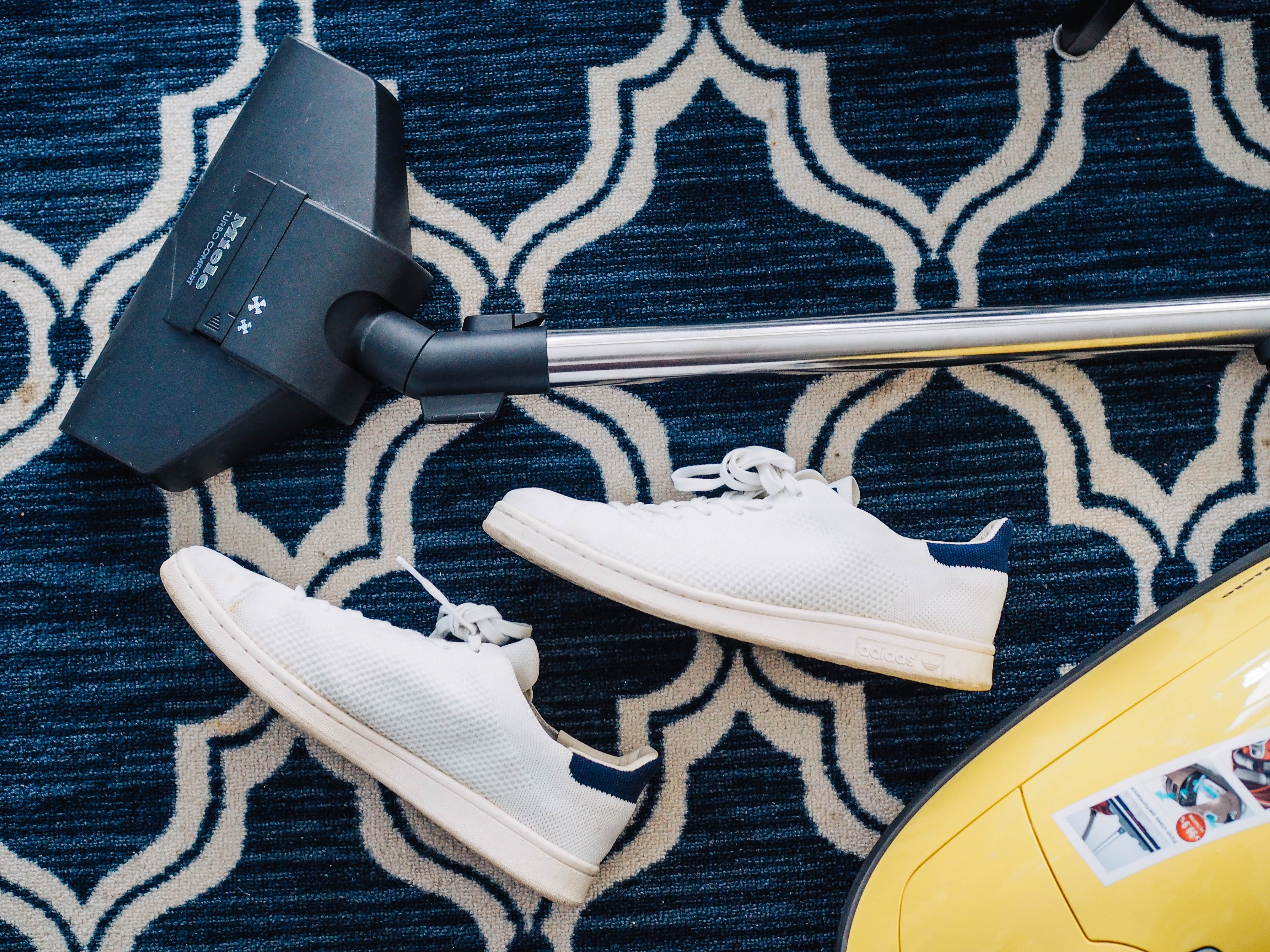
Most of the dirt in your house walked in on someone's shoes. ISSA, the worldwide cleaning industry association, estimates that about 80 percent of the soil inside a building is tracked in from outside, and on the Grand Strand a lot of that is beach sand, which is one of the most abrasive things a floor can meet. That single fact shapes how every floor in a coastal home should be cared for, because the grit you keep out never gets the chance to grind down a finish, dull a stone, or cut carpet fibers. Different floors want different cleaners, but they all share the same two enemies here: tracked-in sand and humidity.
Each surface has its own rules, and the wrong product can undo a floor faster than years of traffic. Here's how to care for carpet, hardwood, vinyl, laminate, tile, and natural stone the way the people who make and test those floors recommend, plus the coastal habits that protect all of them at once.
The One Habit That Protects Every Floor: Stop the Grit at the Door
Keeping sand and soil out of the house is the single most effective thing you can do for any floor. Because roughly 80 percent of interior dirt arrives on shoes, a good entry system stops most of the damage before it starts, and the payoff scales with matting length: ISSA figures put about six feet of walk-off matting at removing near 40 percent of tracked-in soil and twelve feet at around 80 percent. A mat outside the door, a mat inside it, and a no-shoes habit in the wettest, sandiest seasons will do more for your floors than any cleaner on the shelf.
Grit does its damage by abrasion, which is why it hurts every surface. On hardwood and laminate it scratches the finish, on vinyl it dulls the wear layer, on stone it wears a polish flat, and in carpet it lodges deep in the pile and cuts the fibers with every footstep. Sweeping or vacuuming often, before the sand gets walked around, is the other half of the same habit. Everything below is surface-specific, but this one rule sits under all of it.
How to Care for Carpet
Carpet stays healthy on a schedule of frequent vacuuming and periodic deep cleaning. The Carpet and Rug Institute (CRI), the standards body for the U.S. carpet industry, recommends vacuuming at least once a week, and more in the traffic lanes, to pull out the grit before it grinds the fibers down. It also calls for a professional deep clean, usually hot-water extraction, every 12 to 18 months to remove the embedded soil a vacuum can't reach. On the coast, where humidity keeps spills and tracked-in moisture in the pile longer, staying on the near end of that range is the safer bet.
Spills get blotted quickly, working from the outside of the spot inward, and never scrubbed, since rubbing frays the fibers and pushes the stain toward the backing. Skip the grocery-store spot removers that leave a sticky residue and attract new dirt, and reach for a cleaner the CRI has certified through its Seal of Approval program instead. A carpet that gets weekly vacuuming and an annual professional clean will look presentable years longer than an identical one left to fend for itself.
How to Care for Hardwood Floors
Hardwood wants a dry, stable indoor climate and a barely damp mop, never a wet one. The National Wood Flooring Association (NWFA), the trade group that writes the U.S. care standards for wood floors, says wood performs best held roughly between 30 and 50 percent relative humidity at 60 to 80 degrees, and some of its materials put the band at 35 to 55 percent. Either way, the point is the same: wood moves with moisture, and letting indoor humidity swing too far is what opens gaps between boards in a dry spell and cups them when the air turns heavy.
A wet mop is a wood floor's enemy for the same reason. Standing water works into the seams and swells the wood, and a steam mop drives hot moisture straight in, so both are off the table. Clean hardwood by sweeping or dust-mopping for the grit, then wiping with a wood-floor cleaner on a well-wrung microfiber pad. On the coast, an air conditioner running through the humid months does double duty, keeping you comfortable and holding the indoor humidity in the range the wood wants. If you want the fuller picture on how coastal humidity shapes a wood floor, our guide to hardwood flooring goes deeper, and felt pads under furniture and a quick sweep of tracked-in sand handle the rest.
How to Care for Luxury Vinyl and Sheet Vinyl
Vinyl is the easiest floor to keep clean, with one firm rule: skip the steam mop. The Resilient Floor Covering Institute (RFCI), the trade association for the resilient flooring industry, calls for cleaning vinyl with a damp mop rather than a wet one and warns against tools that add heat, which is exactly what a steam mop does. The heat can haze or soften the clear wear layer that gives luxury vinyl its durability, and on glue-down installations it can work into the seams and weaken the adhesive underneath.
Day to day, sweep or vacuum the grit, then damp-mop with a pH-neutral or vinyl-safe cleaner. Vinyl doesn't need wax or polish, and adding them just builds a film that dulls the floor and attracts dirt. Felt pads under furniture and floor protectors under rolling chairs prevent the scuffs and gouges that are the only real threats to a well-made vinyl floor. Treated this way, a good luxury vinyl plank keeps its look for many years even in a busy coastal household, which is a big part of why we point so many Grand Strand homeowners toward luxury vinyl in the first place.
How to Care for Laminate Floors
Laminate cleans up much like vinyl and shares the same weakness, which is standing water. The North American Laminate Flooring Association (NALFA), the body that certifies laminate for the U.S. market, points out that laminate needs no wax or varnish to keep its finish looking good. What laminate can't take is water sitting on it, because a plank's core is fiberboard, and once moisture gets past the surface and into the seams it swells the core and lifts the edges, damage that can't be undone.
So laminate gets the damp-mop treatment and no steam, the same as vinyl. Sweep or vacuum for grit, wipe spills as they happen, and clean with a well-wrung microfiber pad and a laminate-safe cleaner rather than a sopping string mop. Keep felt pads under the furniture and mats at the doors, and a laminate floor will hold its wood look for a long time. The mistake that ruins laminate early is treating it like tile and flooding it to clean it.
How to Care for Tile and Grout
Tile is the most forgiving floor to clean, and the grout is the part that actually needs attention. Porcelain and glazed ceramic don't absorb water, so they take ordinary tile cleaners, a damp mop, and even a rinse without complaint. The grout lines between the tiles are the weak point, since grout is porous and holds dirt, so sealing the grout and cleaning it with a soft brush keeps a tile floor looking new. On the coast, damp air and shady rooms invite mildew in grout, and staying ahead of it with regular cleaning beats scrubbing it back later.
Avoid harsh acids and heavy abrasives on glazed tile, since they can etch a glaze or wear it dull over time. A neutral cleaner does the everyday job, and a stronger tile-and-grout product handles the occasional deep clean. Because tile shrugs off water, it's the one floor where a wetter mop is fine, which is exactly why the flood-to-clean habit that ruins wood and laminate is so easy to carry over by mistake.
How to Care for Natural Stone Floors
Natural stone needs a neutral cleaner and no acids, which is the opposite of the vinegar-and-water advice all over the internet. The Natural Stone Institute, the trade association that publishes the industry's care standards, warns that lemon, vinegar, and other acids will dull or etch calcareous stones like marble and travertine, leaving a rough, cloudy mark where the polish used to be. Those stones want a cleaner made for stone, or a mild dish soap and warm water, and nothing acidic ever.
Sealing is the other half of stone care, with a caveat worth knowing. The same institute is clear that a sealer makes a stone more stain resistant rather than stain proof, and that many stones don't strictly need sealing at all, so the job is to match the routine to the stone. A soft, porous marble or travertine benefits from periodic resealing and quick cleanup of spills, while a dense granite asks for far less. Blot spills fast, keep the grit swept up, use felt pads under furniture, and a stone floor will outlast almost everything else in the house.
The Do-Not List: The One Mistake That Ruins Each Floor
| Floor | Never do this | Do this instead |
|---|---|---|
| Carpet | Scrub spills or use sticky spot removers | Blot from the edge in; vacuum weekly |
| Hardwood | Wet-mop or steam-clean | Barely damp microfiber; control humidity |
| Luxury vinyl | Steam mop or add wax | Damp mop with a neutral cleaner |
| Laminate | Flood with water or steam | Well-wrung damp mop; wipe spills fast |
| Tile | Harsh acids on the glaze; ignore grout | Neutral cleaner; seal and brush grout |
| Natural stone | Vinegar or lemon on calcareous stone | Stone-safe neutral cleaner; seal as needed |
How Coastal Humidity Changes Floor Care on the Grand Strand
Humidity is the coast's quiet stress on a floor, and managing indoor air is part of floor care here. Myrtle Beach averages about 73 percent relative humidity across the year, swinging from near 85 percent on summer mornings down to about 55 percent by mid-afternoon, and that morning peak is well above the 30-to-50 percent band wood floors want, enough to slow drying on every surface. Running the air conditioning through the humid months isn't only about comfort; it holds indoor humidity closer to the level hardwood needs and discourages mildew in grout, carpet, and the cushion beneath it.
The sand is the other coastal factor, and it ties back to the door. Beach grit is abrasive on every surface, so the entry mats and the no-shoes habit that cut tracked-in soil are doing more work here than they would inland. Care for a coastal floor comes down to two habits repeated: keep the grit outside, and keep the indoor air from swinging too damp. Do those, match the cleaner to the surface, and any of these floors will reward you for years.
Questions We Get About Floor Care
Is vinegar safe for cleaning floors?
Vinegar is a bad idea on most floors, and genuinely damaging on natural stone. Its acid etches calcareous stones like marble and travertine, and on wood it can strip the finish over time, while its reputation as an all-purpose cleaner comes from surfaces that aren't floors. A pH-neutral cleaner made for your specific floor does the job without the risk on every surface in the house.
Can I use a steam mop on my floors?
Not on hardwood, laminate, or vinyl. The heat and forced moisture from a steam mop swell a wood or laminate core and can haze the wear layer or soften the adhesive on vinyl. Steam is only reasonable on sealed tile and stone that can take the heat, and even there a damp mop usually does the job. When in doubt, skip the steam.
How often should I have my carpet professionally cleaned?
The Carpet and Rug Institute recommends a professional deep clean every 12 to 18 months, and more often in a busy or coastal home. Regular vacuuming handles the surface, but only extraction pulls out the embedded grit that wears carpet from inside the pile. Staying on schedule is one of the biggest factors in how long a carpet lasts. We're glad to talk through a care routine for your specific floors whenever you're in the showroom.
Does hardwood really need humidity control on the coast?
Yes, and it's the single most important thing for a wood floor here. Wood swells and shrinks with moisture, and Grand Strand humidity sits above the range the NWFA recommends for much of the year, so uncontrolled indoor air leads to cupping and gaps. Running the air conditioning and keeping the indoor climate steady protects the floor as much as any cleaner.
When Care Isn't Enough
Good care buys a floor years, and eventually every floor reaches the end of what cleaning and maintenance can do. When yours is past that point, or you'd simply rather start fresh with a surface that fits coastal life better, request a free in-home estimate and we'll talk through the options for your rooms. Until then, our showroom team is happy to help you sort out a care routine for whatever you have down now, so you get the most life out of it.


