


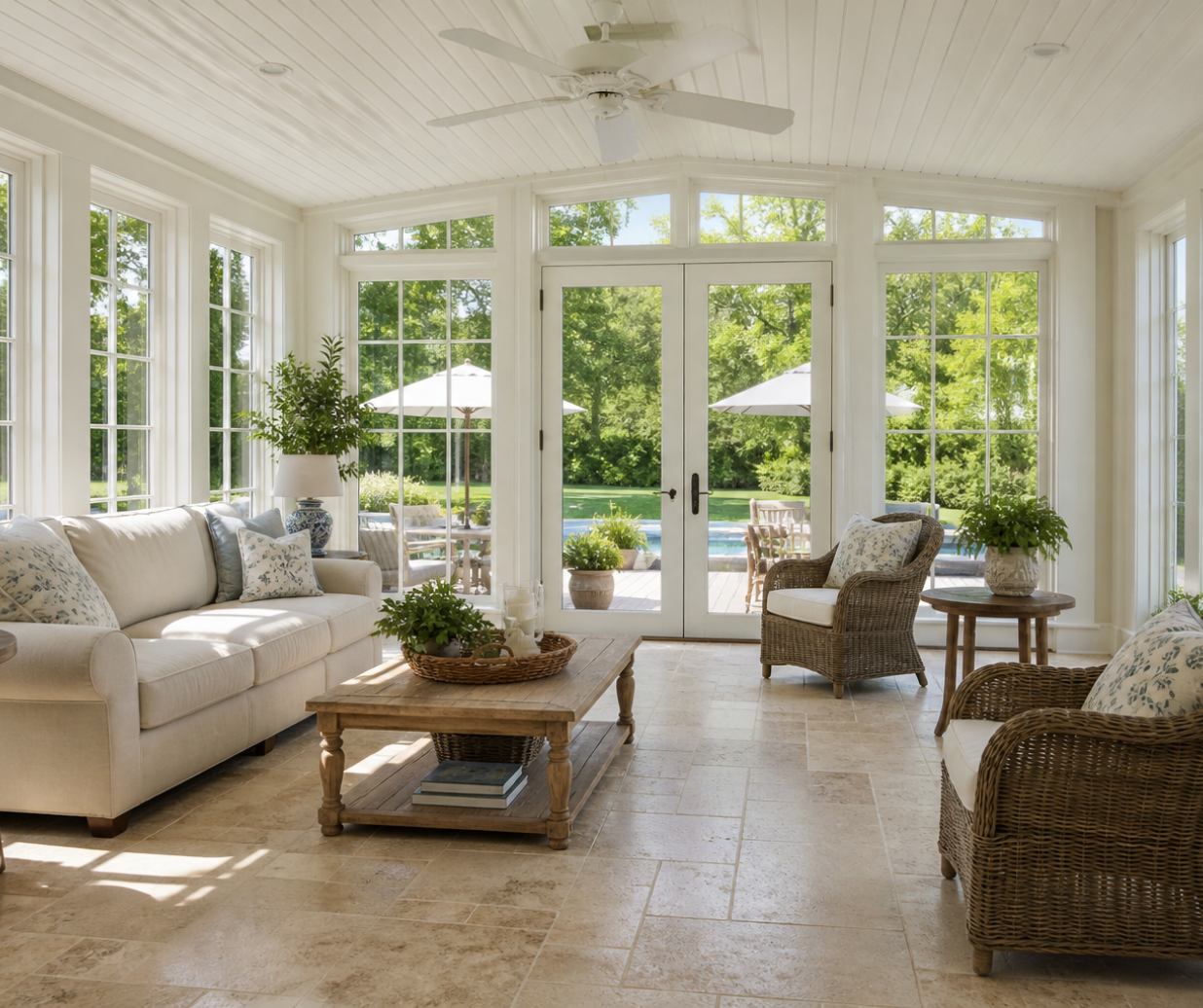
Quick take: Natural stone brings a timeless, one-of-a-kind beauty that manufactured materials cannot copy. This guide covers the main types of stone, their real hardness and porosity, where each works best in a Conway home, and how stone-look tile offers a lower-maintenance path to the same look. Want to see current options? Request a free estimate.
Few materials carry the sense of permanence and natural beauty that stone does. Formed over thousands of years, every piece is genuinely unique, with color, veining, and texture no manufactured product can perfectly reproduce. For homeowners in Conway and across the Grand Strand who want a floor or feature with real character, natural stone and the stone-look tiles inspired by it are worth exploring. At Waccamaw Floor Covering, we have helped local families bring the beauty of stone into their homes since 1986. Use the tools below to compare stone types and figure out whether natural stone or stone-look tile fits your home best.
Why Natural Stone Endures in Conway Homes
Natural stone has graced homes and grand buildings for centuries, and its appeal has never faded. Part of that is pure beauty: stone brings an organic elegance that suits everything from historic downtown Conway houses to new coastal construction. Part of it is uniqueness, since no two pieces are exactly alike. And part of it is presence, the way a stone floor or feature anchors a room and lends it a sense of quality and permanence that lasts for decades.
Stone also connects naturally to the way tile is used, which is how many homeowners first encounter it. Tile flooring, whether porcelain, ceramic, glass, metal, or natural stone, offers one of the most beneficial sets of characteristics found in any floor covering, combining an outstanding lifespan with excellent durability. Natural stone sits within that family as the option that trades a little extra care for unmatched natural beauty. You can read more about the broader category on our tile flooring information page.
Explore the Main Types of Natural Stone
Natural stone is not one material but a family of them, each with its own personality, hardness, and care needs. Tap through the options below to compare them. The hardness figures use the Mohs scale, a standard measure of scratch resistance, and every stone is described in the prose beneath the tool so nothing is hidden.
As the tool shows, hardness varies a great deal across stones. Granite is the toughest of the common options, with a Mohs hardness around 6.5, followed by slate near 5.5, while marble, travertine, and limestone are softer, typically around 3 to 3.5. Softer does not mean fragile — these stones last for decades — but it does mean they benefit from sealing and gentler care. Understanding these differences up front helps you choose a stone matched to how a room is used, which is exactly the kind of guidance our showroom staff provides.
Where Natural Stone Works Best
Stone is versatile, but matching it to the space makes the most of it, especially in our humid climate. In entryways and foyers, stone creates a stunning first impression while standing up to the traffic and grit that arrive at the front door. In kitchens, it brings warmth and character underfoot or as a backsplash, with sealing to handle spills. In bathrooms, it is a classic choice for a spa-like feel and shines in a custom tile shower, where sealing and proper waterproofing are essential. And as an accent wall or backsplash, stone adds texture and natural beauty with a more modest amount of material.
Caring for Natural Stone in a Humid Climate
The key thing to understand about caring for stone is that it is porous, which means it can absorb liquids if it is not protected. Sealing is therefore an important part of owning a stone floor or feature. A quality sealer guards against staining and moisture absorption, and stone benefits from periodic resealing over its life to maintain that protection. The specific schedule depends on the type of stone and how the space is used, and our team is glad to explain what to expect for the stone you choose.
Day-to-day care is straightforward but a little more attentive than for porcelain or ceramic. Sweeping or dust-mopping to remove the fine sand that travels in from the coast protects the surface from abrasion, and prompt cleanup of spills prevents them from sitting on the stone. It is also wise to use cleaning products made for natural stone, since some general cleaners can be too harsh. In our humid environment, keeping your home consistently conditioned is good for stone as it is for every floor. With this reasonable care, natural stone rewards you with decades of beauty.
Natural Stone vs. Stone-Look Tile
If you love the look of stone but would prefer easier upkeep, today's porcelain and ceramic tiles can convincingly recreate the appearance of marble, travertine, slate, and other stones. The difference is in performance and care: porcelain and ceramic offer excellent water resistance and do not require sealing, making them exceptionally low maintenance. The table below lays out the trade-offs side by side, and the recommender that follows helps you decide.
| Consideration | Natural stone | Stone-look porcelain tile |
|---|---|---|
| Appearance | Genuine, one-of-a-kind veining and texture | Highly realistic, more consistent across pieces |
| Water resistance | Good once sealed; porous by nature | Excellent; naturally water-resistant |
| Sealing required | Yes, plus periodic resealing | No sealing needed |
| Maintenance | A little more attentive | Very low maintenance |
| Best for | Homeowners who want the authentic material | Busy, moisture-prone spaces and easy care |
Designing With Stone
Part of the joy of stone is designing with it. Because each piece is unique, a stone floor has natural variation that brings a room to life, and the layout, finish, and grout choices all shape the final look. Larger-format stone and stone-look tiles can make a room feel more open, while smaller pieces and mosaics create detail and texture, especially in backsplashes and shower accents. Honed finishes offer a soft, matte look, while polished surfaces add sheen and formality, and tumbled finishes give a weathered, old-world character. Coordinating stone with your cabinetry, countertops, and wall colors ties a space together, and you can gather ideas from completed projects in our flooring galleries.
The Origins and Uniqueness of Stone
Understanding where stone comes from helps explain why it looks and behaves the way it does. Natural stone is quarried from the earth, formed over enormous spans of time by heat, pressure, and the slow deposit of minerals. That geological history is exactly what gives each piece its distinctive veining, color, and texture, and it is why no two slabs or tiles are ever identical. When you install a natural stone floor, you are bringing a piece of the earth into your home, with variation that a factory simply cannot replicate.
This uniqueness is part of the appeal, but it is also something to plan for. Because natural stone varies from piece to piece, it is wise to view and select material in person and to account for that variation in the design, embracing it as a feature rather than fighting it. Our showroom lets you see the natural range of a given stone so there are no surprises, and our staff can help you choose pieces and a layout that make the most of stone's organic character. It is one more reason stone is a material best chosen with knowledgeable, local guidance.
Choosing a Finish: Honed, Polished, or Tumbled
The finish of a natural stone dramatically changes both its look and, to some extent, how it performs, so it is worth understanding your options. A honed finish has a smooth, matte surface that offers understated, contemporary elegance and tends to hide etching and everyday wear a little better, which many homeowners prefer for floors. A polished finish brings out the depth of color and veining with a glossy sheen, adding formality and drama, and it is often chosen for feature areas and accents where you want the stone to shine.
Other finishes add texture and character. A tumbled finish gives stone a soft, weathered, old-world look with gently rounded edges, while a brushed or leathered finish adds subtle texture and a more casual feel. Each finish suits different styles and spaces, and some offer a bit more slip resistance than others, which can matter for floors and wet areas. When you visit our showroom, you can see and feel these finishes in person, which makes it far easier to choose the one that fits your vision and your room. The right finish can make the same stone feel either crisp and modern or warm and timeworn.
Pairing Stone With Other Materials
Natural stone rarely works alone, and some of the most beautiful homes combine it thoughtfully with other materials. A common and effective approach is to use stone or stone-look tile in entryways, kitchens, bathrooms, and as accents, while choosing warmer or softer materials like wood-look flooring or carpet in living areas and bedrooms. Coordinating the colors and tones across these materials keeps the overall look unified even where the flooring changes from room to room.
Stone also pairs beautifully with itself in layered designs, such as a stone floor with a coordinating stone backsplash, or a shower that carries a stone theme from floor to wall. Because we are a full-selection store, you can plan your whole home in one place and rely on our team to handle the transitions between stone and other surfaces so they look clean and intentional. Whether you want stone as a striking focal point or a subtle, elegant thread running through your home, thoughtful pairing brings out its best.
Common Mistakes to Avoid With Stone
A few simple missteps can shorten the life or dull the beauty of a stone floor, and they are easy to avoid once you know them. The most common is neglecting to seal the stone, or letting the seal lapse, which leaves a porous surface vulnerable to staining and moisture. Another is using harsh or acidic cleaners, which can etch softer stones like marble and limestone over time; gentle, stone-appropriate products are the safe choice. Letting spills sit, especially acidic ones like citrus or wine, is another avoidable problem, since prompt cleanup prevents most staining.
Finally, choosing the wrong stone for a space, such as a very soft stone in a high-traffic entry without accounting for its care needs, can lead to disappointment. This is exactly where guidance matters: matching the stone to the room and to your willingness to maintain it. Our staff has helped Conway families navigate these decisions for decades, and a little planning up front means your stone stays beautiful for the long haul rather than becoming a source of frustration.
The Lasting Value of Natural Stone
Natural stone is one of the most enduring materials you can bring into a home. With proper sealing and care, a stone floor or feature can last for decades, and its timeless beauty rarely goes out of style. Because of that longevity and its association with quality and craftsmanship, well-chosen and well-maintained stone can enhance the character and appeal of a home, contributing to a sense of permanence that few materials offer.
As with any flooring decision, the keys to that lasting value are choosing the right stone for the space, sealing and caring for it properly, and having it installed correctly. That is precisely the kind of guidance and workmanship our experienced team provides. Whether you are drawn to natural stone for its genuine beauty or leaning toward stone-look tile for its easy care, investing in the right material and installation is a decision that keeps rewarding you year after year.
Serving Conway and the Grand Strand
Stone rewards experience, both in selection and installation, and that is something a long-established local store brings to every project. Since 1986, our family-owned business has helped Conway families choose materials suited to their homes and our climate, backed by professional installation. We proudly serve Conway, Aynor, Myrtle Beach, Loris, Murrells Inlet, Georgetown, Galivants Ferry, North Myrtle Beach, and Carolina Forest from our showroom at 1717 4th Avenue in Conway. Because stone selection is so personal and its beauty is best appreciated in person, we especially encourage you to visit the showroom or request a free in-home estimate. We also offer financing options to help make your project comfortable to manage, and you can browse our full product catalog or read customer reviews anytime. Whether you are drawn to the genuine article or to easy-care stone-look tile, we would be glad to help you find the right fit for your home and your budget.
Frequently Asked Questions
Is natural stone a good choice for a humid, coastal climate?
Yes, with proper sealing and care. Because stone is porous, sealing protects it from moisture and staining, and periodic resealing maintains that protection. Many homeowners in our area enjoy natural stone beautifully by keeping up with this reasonable care, while others choose stone-look porcelain tile for even lower maintenance.
How often does natural stone need to be sealed?
It depends on the type of stone and how the space is used, since different stones have different porosities and some areas see more moisture and traffic. Our team can explain a suitable schedule for the specific stone you choose so it stays protected and beautiful.
What is the difference between natural stone and stone-look tile?
Natural stone is the genuine material, prized for its unique beauty, and it requires sealing and a bit more care. Stone-look porcelain and ceramic tile recreate the appearance of stone with excellent water resistance and no need for sealing, offering easier maintenance. Both are beautiful; the right choice depends on your priorities.
Which natural stone is the most durable?
Denser stones such as granite tend to be among the more durable and scratch-resistant, with a Mohs hardness around 6.5, followed by slate near 5.5. Softer stones like marble and limestone are prized more for their beauty and benefit from gentler care. The best choice balances durability with the look you want and how the space is used.
Can I use natural stone in my shower?
Yes. Stone is a classic, elegant choice for a custom shower, provided it is properly sealed and installed with sound waterproofing. We build custom tile showers with proven waterproofing to protect your home, and we can help you decide between natural stone and stone-look tile.
Where can I see natural stone options?
The best way to appreciate stone is in person, where you can see its color, veining, and finish. We invite you to visit our Conway showroom or request a free in-home estimate, and our staff will help you explore current options and plan your project.
What finish should I choose for a stone floor?
For floors, a honed matte finish is often preferred because it offers understated elegance and tends to hide etching and wear, and some textured finishes add slip resistance. Polished finishes bring out color and veining with a glossy sheen and are popular for accents. Our staff can help you choose the finish that best fits your space and style.
Does natural stone add value to a home?
Quality, well-maintained natural stone is associated with craftsmanship and permanence, and its timeless beauty rarely goes out of style, which can enhance a home's character and appeal. As always, the keys are choosing the right stone for the space, caring for it properly, and having it installed correctly.
Fall in love with natural stone in your Conway home.
Visit our showroom or schedule your free in-home consultation and receive your estimate as soon as the next business day.


